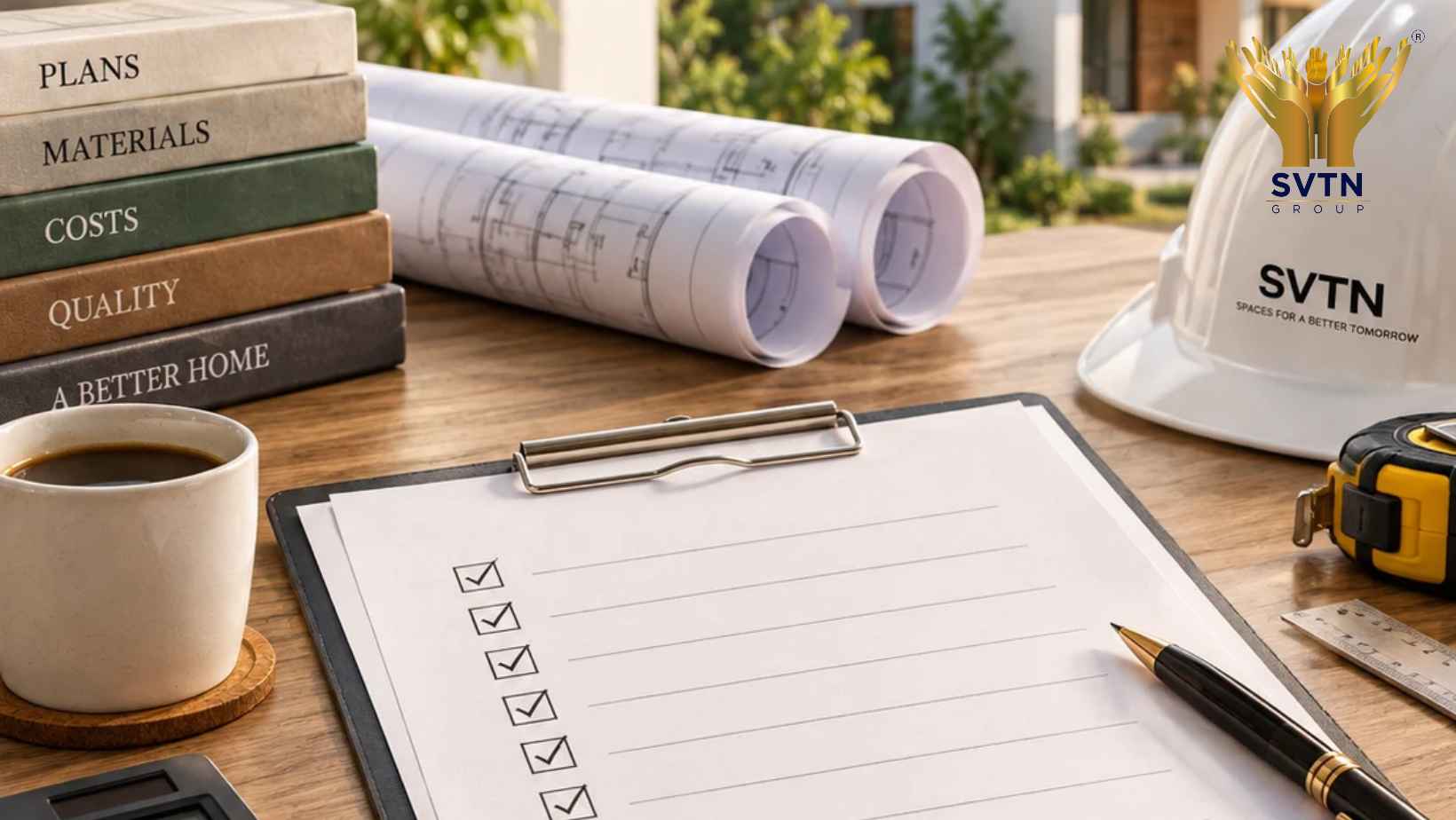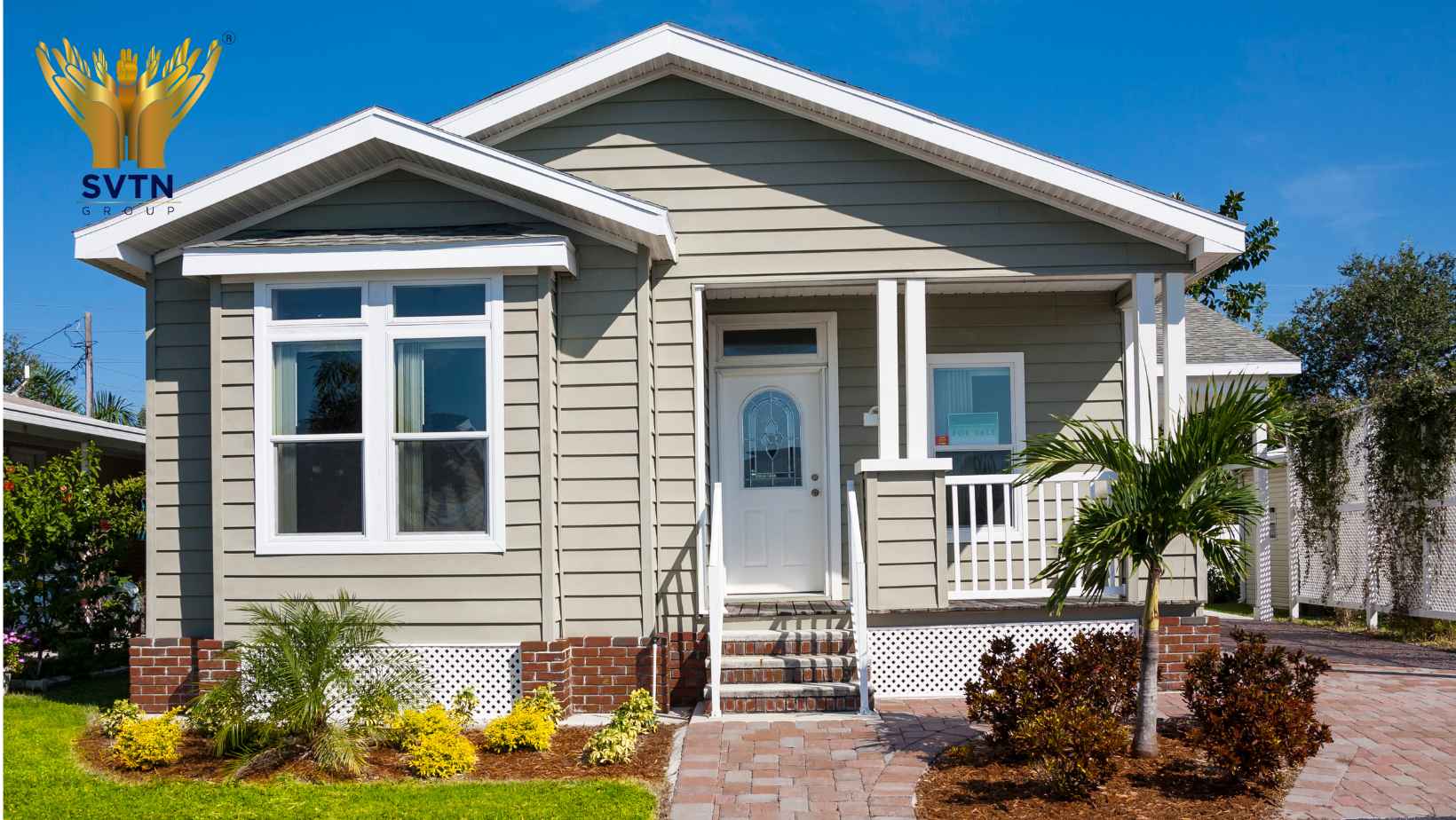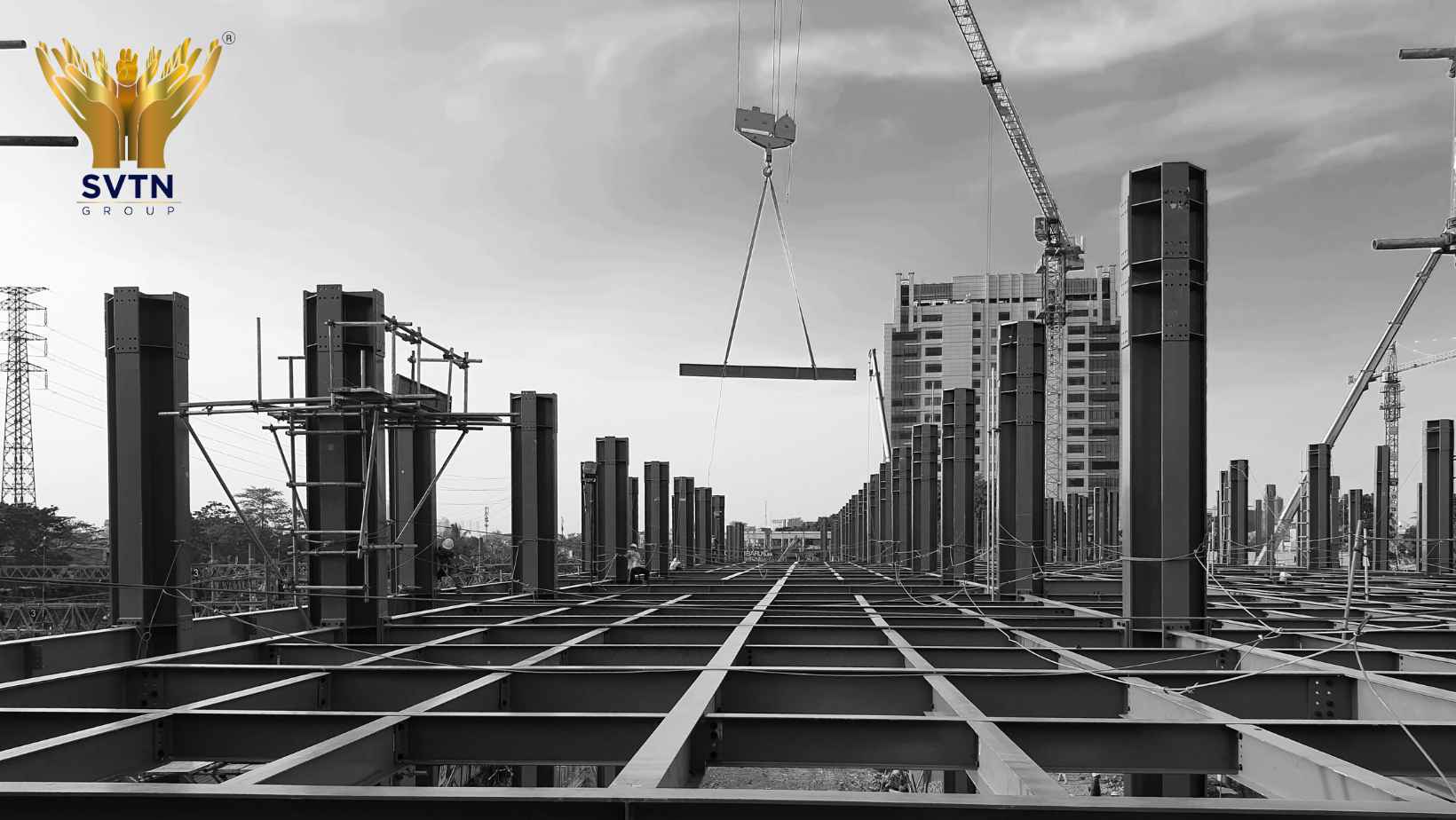
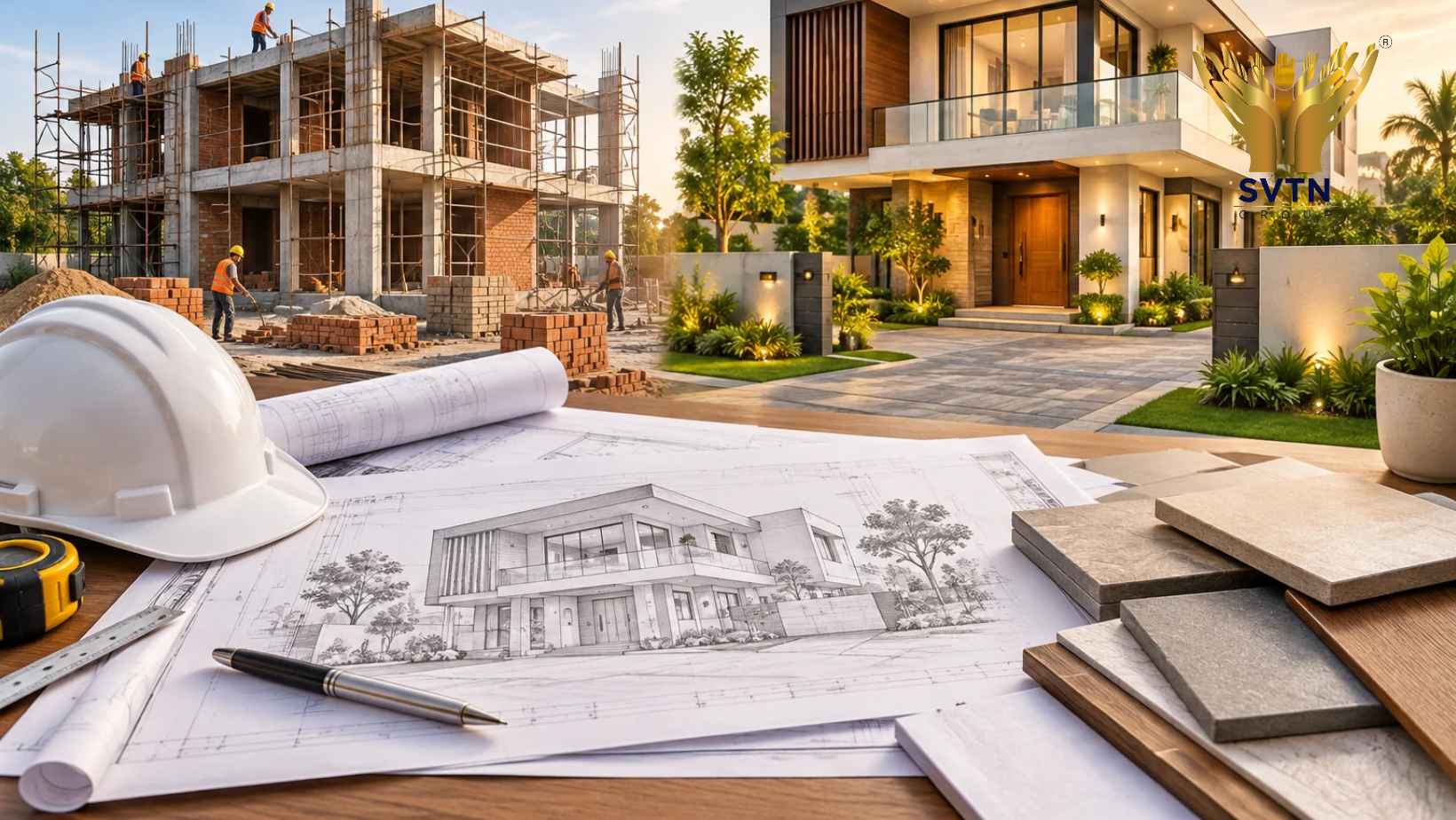
Building a house is exciting—but coordinating everything that goes into it can quickly become overwhelming.
You have an architect, structural engineer, civil contractor, electricians, plumbers, painters, tile installers, vendors and material suppliers. Then there are approvals, site supervision, deliveries, measurements, quality checks and hundreds of small decisions in between.
This is where turnkey house construction can make the process much easier.
Instead of managing multiple contractors yourself, you work with one construction company that takes responsibility for a defined scope of work—from the initial planning and construction to finishing and handover.
But there is an important question every homeowner should ask:
What exactly is included in turnkey house construction?
The answer isn’t always the same. Every construction company can define its turnkey package differently.
That’s why you should never assume that “turnkey” means absolutely everything is included.
In this guide, we’ll explain what is commonly covered under turnkey house construction, what may be charged separately, how the process works and what you should check before signing a contract.
What Is Turnkey House Construction?
Turnkey house construction is a construction model where one company manages multiple stages of your residential project under a single contract or coordinated scope.
Depending on the agreement, the company may handle:
- Design coordination
- Architectural and structural work
- Estimation
- Material procurement
- Civil construction
- RCC work
- Masonry
- Electrical work
- Plumbing
- Waterproofing
- Flooring and tiling
- Doors and windows
- Painting
- Sanitary fittings
- Finishing
- Site coordination
- Quality checks
- Final handover
The idea is simple:
You don’t have to separately manage every contractor involved in building your home.
However, the exact scope depends on the construction company and the package you select.
What Is Usually Included in Turnkey House Construction?
Let’s look at the major stages one by one.
1. Initial Planning and Project Discussion
Before construction starts, the project needs to be understood properly.
This typically involves discussions about:
Plot size
Location
Built-up area
Number of floors
Number of bedrooms
Lifestyle requirements
Parking
Budget
Design preferences
Future requirements
This stage is important because a house shouldn’t be planned only around the available plot.
It should also reflect how you intend to live in it.
For example, a family that works from home may need dedicated workspaces. A family planning to stay in the house for decades may want provisions for elderly family members or future modifications.
2. Architectural Design and Drawings
Depending on the turnkey package, architectural services may be included.
These can involve:
Floor plans
Elevations
Sections
Layout planning
Room dimensions
Staircase planning
Door and window positions
External appearance
Working drawings
Some companies include complete architectural services, while others expect the homeowner to provide the design.
Never assume this is included simply because the project is called turnkey.
Check the quotation or agreement.
3. Structural Design and Engineering
A beautiful house still needs to be structurally sound.
Structural planning determines elements such as:
Foundation design
Column placement
Beam sizes
Slab design
Reinforcement
Structural load considerations
Staircase structure
Structural design should be based on the actual project requirements, site conditions and applicable engineering practices.
For a multi-storey home or bungalow, this becomes particularly important.
4. Site Assessment and Preparation
Before construction begins, the site needs to be prepared.
Depending on the project, this can include:
Site measurements
Setting out
Clearing the site
Excavation
Levelling
Temporary arrangements
Material storage planning
Construction access
Soil conditions can also influence foundation requirements.
If soil testing is required for the project, clarify whether it is part of the turnkey scope or a separate service.
5. Foundation Construction
The foundation is where your house physically begins.
Turnkey construction may include:
Excavation
PCC work
Footings
Reinforcement
Formwork
Concrete work
Foundation masonry, where applicable
Backfilling
The exact foundation system depends on the structural design and site conditions.
This is not an area where homeowners should choose a contractor purely on price.
6. RCC Structure
For an RCC-framed house, the structural stage can include:
Columns
Beams
Slabs
Reinforcement steel
Shuttering/formwork
Concrete
Staircase structure
The quotation should ideally provide clarity about the materials and specifications being used.
Don’t hesitate to ask your contractor what is included in the RCC scope.
7. Brickwork or Blockwork
Once the structural framework progresses, wall construction follows.
Depending on the design, this may involve:
External walls
Internal partition walls
Bathroom walls
Kitchen walls
Service areas
The material could vary depending on the project’s design and specifications.
The quotation should clearly mention what type of masonry or blocks are included.
8. Plastering
Plastering gives walls a smooth and finished surface before painting or other treatments.
The scope may include:
Internal plastering
External plastering
Ceiling treatment
Surface preparation
However, the level of finishing and any specialised wall treatments should be clarified beforehand.
9. Electrical Work
Electrical work is an important part of any modern home.
A turnkey package may include:
Electrical conduits
Wiring
Switchboards
Switches
Sockets
Light points
Fan points
AC points
Geyser points
Appliance points
Distribution boards
Depending on the project, provisions may also be planned for:
CCTV
Internet
Home automation
Solar systems
EV charging
Security systems
One important point:
The number and type of electrical points should be clearly defined.
“Electrical work included” is too vague.
10. Plumbing and Sanitary Work
Plumbing is another area where the scope needs to be clearly documented.
It may cover:
Water supply lines
Drainage lines
Bathroom plumbing
Kitchen plumbing
Soil and waste pipes
Water tank connections
External drainage
Sanitary fixtures
The quotation should also specify what sanitaryware and fittings are included.
If you want premium faucets, shower systems or designer sanitaryware, find out whether they fall within the basic allowance or will cost extra.
11. Waterproofing
Waterproofing is one of the most important parts of residential construction.
Depending on the project, turnkey construction may include waterproofing for:
Terrace
Bathrooms
Balconies
Wet areas
Sunken slabs
Basement areas, if applicable
External surfaces where required
Don’t just look for the words “waterproofing included.”
Ask where it is being provided, what system is proposed and whether workmanship or product warranty applies.
12. Flooring and Tiling
Turnkey house construction can include flooring and tiling for areas such as:
Living room
Bedrooms
Kitchen
Bathrooms
Balconies
Utility areas
Staircase
But here’s where specifications matter.
The quotation should ideally clarify:
Tile type
Size
Price range or allowance
Installation
Skirting
Bathroom wall tiles
Kitchen dado
Staircase finish
If you choose a tile outside the agreed specification or price range, an additional charge may apply.
13. Doors and Windows
Depending on the package, doors and windows can also be part of turnkey construction.
This may include:
Main entrance door
Internal doors
Bathroom doors
Aluminium or uPVC windows
Glass
Frames
Hardware
Locks
Door fittings
Material and finish can make a significant difference to the cost.
So ask what specification is included before assuming that a particular design is covered.
14. Kitchen Work
This is one area where turnkey packages differ considerably.
Some construction companies may include basic kitchen-related civil work, while modular kitchens or complete cabinetry may be offered separately.
Your scope should clearly state whether it includes:
Kitchen platform
Sink
Dado
Plumbing
Electrical points
Cabinets
Modular kitchen
Hardware
If a modular kitchen is not included, don’t treat that as a problem—but include it in your overall home construction budget.
15. Painting and Wall Finishes
Painting generally comes toward the finishing stage.
Depending on the agreed specification, this may include:
Internal wall painting
External painting
Ceiling painting
Primer
Putty
Protective coatings
Premium textures, wallpapers, specialised coatings or designer finishes may be outside the standard package.
16. External Development
Not every turnkey quotation includes external development.
Depending on the project, this could involve:
Compound wall
Gate
Driveway
Paving
Landscaping
Outdoor lighting
Drainage
Rainwater management
Garden areas
If you are building a bungalow, external work can form a meaningful part of the final project cost.
So make sure you discuss it early.
17. Material Procurement and Vendor Coordination
One of the biggest advantages of turnkey construction is reduced coordination for the homeowner.
The construction company may handle procurement of materials such as:
Cement
Steel
Blocks
Tiles
Plumbing materials
Electrical materials
Paint
Doors and windows
Fixtures
The company may also coordinate deliveries and vendors.
But procurement responsibilities should be clearly mentioned.
Ask:
Who buys the material? Who checks it? Who pays for transportation? Who handles wastage?
A good contract should answer these questions.
18. Labour and Site Coordination
With separate contractors, the homeowner may need to coordinate different teams.
With turnkey construction, site coordination is generally managed by the construction company.
This can include coordination between:
Civil workers
Electricians
Plumbers
Tile installers
Painters
Fabricators
Carpenters
Other specialised teams
This coordination is one of the biggest practical benefits of turnkey construction.
You get one primary point of responsibility instead of managing several independent contractors.
19. Quality Control and Site Supervision
Construction quality isn’t determined only by the materials used.
Execution matters just as much.
Turnkey construction may include supervision and quality checks throughout the project.
This can involve checking:
Reinforcement
Concrete work
Masonry
Levels
Plastering
Waterproofing
Plumbing
Electrical work
Finishing
Ask the company how frequently the site is supervised and who is responsible for quality checks.
20. Final Finishing and Handover
At the end of the project, the house needs to be checked before handover.
Depending on the agreement, this stage may include:
Final cleaning
Finishing corrections
Snagging
Testing electrical systems
Checking plumbing fixtures
Rectifying visible defects
Final inspection
Handover
A professional handover process gives the homeowner an opportunity to identify issues before the project is considered complete.
What Is Usually NOT Included in Turnkey Construction?
This is just as important as knowing what is included.
Some items may be excluded or charged separately, depending on the company and project:
Land cost
Government fees
Certain approval charges
Development charges
Architectural fees, if excluded
Premium materials
Modular kitchen
Wardrobes
Loose furniture
Appliances
Landscaping
High-end lighting
Home automation
Solar systems
Borewell
Certain external works
Major design changes
Additional construction requested after the agreement
There is no universal list.
Always refer to the actual quotation and contract.
Turnkey House Construction vs Separate Contractors
Why do homeowners choose turnkey construction in the first place? The biggest difference is coordination.
With separate contractors, you may need to manage a civil contractor, electrician, plumber, painter, carpenter, tile contractor and multiple vendors.
If one team gets delayed, it can affect the next team. For example, an electrical delay can affect plastering. A plumbing change can affect flooring. A design change can affect procurement and timelines. With turnkey construction, one company coordinates these activities.
That doesn’t automatically make turnkey construction cheaper in every situation. But it can make the project simpler, more coordinated and easier to manage.
Is Turnkey House Construction More Expensive?
Not necessarily.
The final cost depends on:
Design
Built-up area
Structural requirements
Material specifications
Finishing level
Labour
Site conditions
Project complexity
External development
Services included
Instead of asking only:
“What is your turnkey construction rate per sq. ft.?”
ask:
“What exactly is included in your turnkey construction rate?”
That second question will give you a much more useful answer.
How to Compare Two Turnkey Construction Quotes
If you receive two proposals, don’t compare only the final amount.
Start with the scope.
Check:
1. Area
Are both quotations based on the same built-up area?
2. Structural scope
Are foundation, RCC and masonry included?
3. Materials
Are the quality and specifications comparable?
4. Finishes
Are flooring, tiles, paint, doors and windows included?
5. Electrical and plumbing
Are the number of points and specifications similar?
6. Waterproofing
Is waterproofing included in both?
7. External work
Are compound walls, paving and landscaping included?
8. Design services
Are architectural and structural services included?
9. Exclusions
What has been left out?
10. Additional work
How will changes be priced?
11. Payment terms
When are payments due?
12. Timeline
What is the expected construction period?
The cheapest quote may not be the lowest-cost option once all the missing items are added.
Is Turnkey Construction Suitable for You?
Turnkey construction can be particularly useful if you:
Are building your first home
Don’t have time to coordinate contractors
Live away from the construction site
Want one company to manage the project
Prefer a defined scope and coordinated execution
Want fewer vendor-management responsibilities
It may not be the only option, though.
The right construction model depends on your budget, involvement, experience, time and expectations.
Why Scope Clarity Matters More Than the Word “Turnkey”
The word “turnkey” sounds comprehensive.
But the real value is in the scope behind the word.
Two companies can both offer turnkey house construction while including very different materials, services and finishing levels.
That’s why your quotation should answer three basic questions:
What am I getting?
What am I paying for?
What will cost extra?
If those three things are clear, you have a much better foundation for the project.
How SVTN Group Approaches Turnkey House Construction
At SVTN Group, the focus is on making residential construction more organised and transparent for homeowners.
A turnkey project should not leave the homeowner guessing about what happens next or which contractor is responsible for a particular stage.
From planning and construction coordination to materials, execution, finishing and handover, the objective is to bring the different parts of the project together under a clearly defined scope.
For homeowners planning turnkey house construction in Pune, the most important first step is a detailed discussion about the plot, requirements, design, budget, specifications and expected scope.
Because a successful home construction project isn’t just about completing the structure.
It’s about delivering the home that was planned in the first place.
Frequently Asked Questions About Turnkey House Construction
What is included in turnkey house construction?
Turnkey house construction can include design coordination, structural work, civil construction, material procurement, electrical, plumbing, waterproofing, flooring, painting, finishing and handover. The exact scope varies by company and contract.
Does turnkey construction include interior design?
Not always. Basic construction-related finishes may be included, but interior design, furniture, wardrobes, modular kitchens and decorative elements may be separate. Always check the scope.
Is electrical work included in turnkey construction?
It can be. However, the quotation should specify the number of points, wiring specifications, switches, fixtures and other electrical provisions included.
Is plumbing included in turnkey house construction?
Plumbing is commonly part of a turnkey package, but the exact scope can vary. Check the pipe specifications, fixtures, sanitaryware and external plumbing provisions.
Does turnkey construction include a modular kitchen?
Not necessarily. Some packages include kitchen civil work while modular cabinetry is charged separately. Check the quotation carefully.
Is waterproofing included in turnkey construction?
It can be included for areas such as terraces, bathrooms and balconies. The contract should specify the areas covered and the waterproofing system or warranty, where applicable.
Is turnkey construction more expensive than hiring separate contractors?
Not necessarily. The cost depends on the project’s scope, specifications, materials and complexity. Turnkey construction can provide greater coordination and convenience, but price should always be compared against the complete scope.
How do I compare turnkey construction companies?
Compare their complete scope of work, material specifications, exclusions, payment terms, timeline, quality processes, experience and post-handover support—not just the quoted ₹/sq. ft. rate.
What should I check before signing a turnkey construction contract?
Check the construction area, scope, materials, inclusions, exclusions, payment schedule, timeline, variation charges, responsibilities, warranty and handover conditions.
Final Thoughts
Turnkey house construction can take a significant amount of coordination off your shoulders.
But turnkey does not mean “everything is automatically included.”
The quotation and agreement are what define the actual project.
So before signing, go beyond the price per square foot. Understand the materials, scope, exclusions, services, payment terms and responsibilities.
A clear agreement at the beginning can prevent a lot of confusion later.
And when you’re building something as important as your home, clarity isn’t a small detail—it is part of the construction itself.