When you’re planning to build a house, a construction company’s portfolio can tell you a lot about its experience. Beautiful elevations, completed bungalows and impressive project photographs may give you confidence.
But photographs don’t tell you everything.
What happens behind the finished walls? How is reinforcement checked before concrete is poured? Are construction materials inspected when they arrive? Are waterproofing details tested? Who checks the work before the next stage begins?
These are the questions that reveal how a construction project is actually managed.
If you’re comparing construction companies in Pune, evaluating construction quality is just as important as comparing prices, timelines and designs. A house is a long-term investment, and the quality of its execution affects its safety, durability, maintenance requirements and everyday comfort.
This guide explains how homeowners can assess construction quality before appointing a company—and what to look for once work begins.
What Defines Good Construction Quality?
Good construction quality isn’t simply about using expensive materials or creating an attractive exterior.
It comes from the combination of appropriate design, suitable materials, correct workmanship, supervision and quality checks at every important stage.
A well-finished home should also have properly executed structural work, functional plumbing and electrical systems, effective waterproofing, good drainage and finishes that meet the agreed specifications.
The important point is that construction quality must be built into the process, not inspected only at the end.
1. Look Beyond Completed Project Photographs
Completed homes can demonstrate a company’s design experience and finishing capabilities. However, photographs rarely show the quality of work concealed behind plaster, tiles and paint.
Ask whether you can visit a completed project, where practical, and understand what kind of work the company has delivered.
If possible, ask about the construction process, the materials specified, the supervision arrangements and how defects were addressed before handover.
A completed project is useful evidence, but it should be one part of your evaluation rather than the only deciding factor.
2. Ask How Structural Quality Is Checked
The structural framework is one of the most important parts of a building.
For an RCC-framed house, reinforcement, formwork, concrete placement and curing all need appropriate attention. The work must follow the approved structural design and applicable engineering requirements.
Ask the construction company how structural activities are inspected before they are covered by the next stage.
For example, reinforcement should be checked at the appropriate stage before concreting. Once concrete is placed, many of those details are no longer easily visible.
A reliable process identifies and addresses problems before they become difficult or expensive to correct.
3. Understand How Materials Are Selected and Inspected
The quality of construction materials matters, but material selection should be based on project requirements and specifications rather than brand names alone.
Ask how the company defines and verifies materials such as cement, reinforcement steel, concrete, masonry units, electrical wiring, plumbing pipes, tiles and waterproofing products.
You should also understand what happens if a delivered material does not match the agreed specification.
For larger or technically demanding projects, testing and documentation may be required according to the relevant specifications and engineering requirements.
The objective is straightforward: materials used at your site should be suitable for the work and consistent with what was agreed.
4. Check Whether Quality Is Documented
Verbal assurances can be reassuring, but a documented process provides greater clarity.
Depending on the project, quality records may include material specifications, inspection checklists, concrete-related records, test results, waterproofing checks and records of approved changes.
Not every residential project will use the same documentation system. The level of detail should reflect the project’s scope and technical requirements.
However, the company should be able to explain how quality checks are performed and who is responsible for them.
5. Pay Attention to Waterproofing
Waterproofing problems can be frustrating because they may appear after the home has been occupied.
Terraces, bathrooms, balconies, wet areas and other exposed locations need appropriate detailing and execution.
Ask what waterproofing system is specified, how the surface is prepared, how joints and drainage points are treated, and whether testing is included where appropriate.
Don’t settle for a general statement that waterproofing is covered.
Understand which areas are covered, what work will be performed and how the result will be checked.
6. Evaluate Finishing Work Properly
Finishing quality is more than attractive tiles and fresh paint.
Look at how doors and windows operate, whether surfaces are even, whether tiles are aligned properly, whether joints are finished neatly and whether visible plumbing and electrical fittings are installed correctly.
You can also ask how the company manages snagging—the process of identifying incomplete work and defects before handover.
Small imperfections are not always evidence of poor construction, but repeated issues and a lack of a rectification process deserve attention.
7. Ask Who Supervises the Site
Even good materials and drawings cannot guarantee good execution without appropriate supervision.
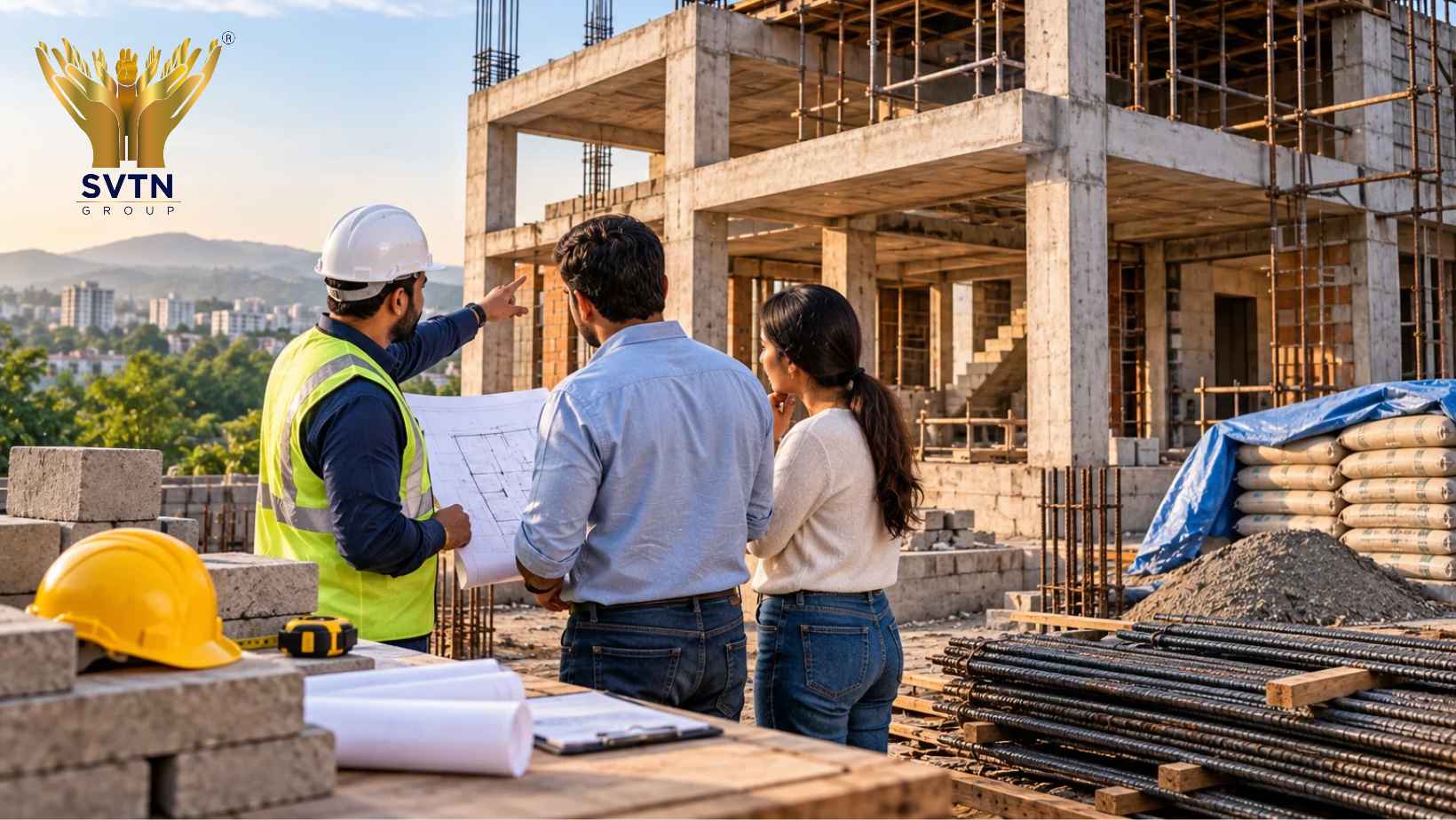
Find out who coordinates site activities and who checks the work of individual teams.
Construction often involves several trades working in sequence. Poor coordination can lead to avoidable rework, damaged finishes or services being installed in the wrong locations.
A clear supervisory structure helps ensure that responsibilities are understood and issues are addressed before they affect subsequent work.
8. Check How Changes Are Managed
Homeowners sometimes change their minds during construction. A new electrical point, a different tile selection or a layout modification may be reasonable, but changes need to be communicated properly.
Ask how design changes are approved, how their impact on cost and schedule is assessed, and how the revised instructions reach the site team.
Without a clear process, even a small change can create confusion between the designer, contractor, suppliers and workers.
9. Understand the Handover Process
Quality management should continue until the home is ready for handover.
Ask whether the company carries out a final inspection, tests relevant services, prepares a list of incomplete items and explains any applicable warranties or post-handover support.
A proper handover should help you understand how the home and its systems have been completed, rather than simply marking the end of construction.
Questions to Ask Construction Companies in Pune
Before finalising a company, ask:
- How is structural work inspected before concreting?
- How are material specifications communicated to suppliers and workers?
- Who supervises the site?
- How are waterproofing activities checked?
- How are changes and additional work documented?
- How are defects corrected before handover?
- What quality records will be available for my project?
The quality of the answers—and whether the company can explain its actual process—can tell you a great deal.
Why Construction Quality Matters More Than the Initial Price
A lower quotation may be attractive, but the price alone doesn’t tell you how the work will be executed.
Quality depends on the scope, specifications, workmanship, supervision and checks included in the project.
The aim isn’t to choose the most expensive company. It’s to understand what you are paying for and whether the proposed process supports the quality you expect.
For homeowners, this means comparing construction proposals on a like-for-like basis instead of relying only on the quoted rate per square foot.
How SVTN Group Approaches Residential Construction
At SVTN Group, construction planning needs to connect design intent with site execution. For homeowners, understanding the proposed specifications, supervision process and quality checks helps create clearer expectations before work begins.
When evaluating a construction partner, ask for a clear explanation of how your project will be managed—from structural work and material selection to finishing and handover.
The right decision is one that balances design, quality, budget and a well-defined construction process.
Frequently Asked Questions
How can I check the quality of a construction company in Pune?
Review relevant completed projects, ask about site supervision, understand material specifications and find out how structural work, waterproofing and finishing are inspected. Compare the company’s actual process, not just its photographs or quoted price.
What should I inspect during a construction site visit?
Depending on the stage, look at site organisation, material storage, workmanship, visible defects and whether the work appears consistent with the approved drawings and specifications. Technical inspections should be handled by qualified professionals.
How do construction companies maintain quality?
Quality management typically involves suitable specifications, material checks, trained workmanship, site supervision, inspections at important stages and timely correction of defects.
Is a more expensive construction company always better?
No. A higher price does not automatically guarantee better quality. Compare the complete scope, specifications, supervision arrangements, quality procedures and contractual commitments.
Why should construction quality be checked before handover?
Some defects are easier to identify and correct before the work is covered or the house is occupied. A structured inspection and snagging process can help resolve outstanding issues before handover.
Conclusion
Choosing among construction companies in Pune requires more than looking at completed homes and comparing quotations.
The most useful questions are about what happens during construction: how materials are checked, who supervises the site, how structural work is inspected, how waterproofing is executed and how defects are addressed.
When these processes are clear from the beginning, you can make a more informed decision about the team responsible for building your home.
Good construction quality isn’t just something you see at the end. It’s something that needs to be managed at every stage.