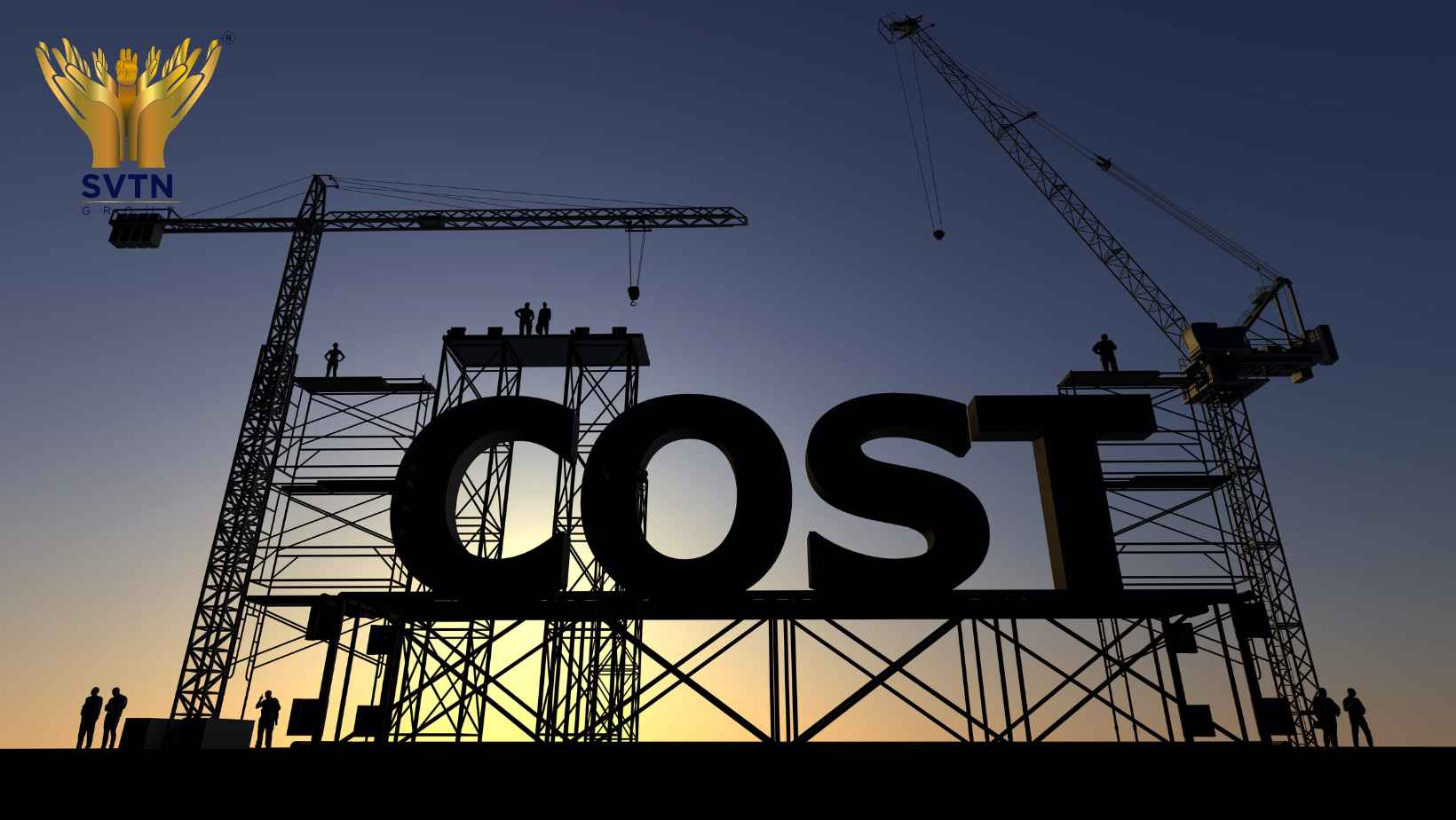
When planning a construction project, one of the first questions property owners and developers ask is: How much will it cost to build?
Understanding the Construction Cost in Pune is undoubtedly important when preparing a project budget. However, focusing only on the initial construction expenditure can provide an incomplete picture of the actual financial commitment involved in developing and owning a building.
A building is a long-term asset. Once construction is completed, it requires regular maintenance, repairs, energy consumption, equipment servicing and periodic upgrades. Decisions made during the design and construction stages directly influence many of these future expenses.
For example, choosing materials solely because they are inexpensive may result in higher repair and replacement costs. Similarly, inadequate ventilation, inefficient lighting and poorly planned plumbing systems can increase operating expenses over the building’s lifetime.
This is why property owners, businesses and real estate developers must look beyond the initial construction budget and consider the total cost of owning and maintaining a building.
In this article, we explore the key factors influencing building lifecycle costs, how construction decisions affect long-term expenditure and why thoughtful planning is essential for cost-efficient developments in Pune.
Understanding the Difference Between Initial Construction Cost and Lifecycle Cost
Initial construction cost refers to the expenditure required to develop a building and make it ready for its intended use.
It generally includes land development where applicable, design and engineering fees, site preparation, foundation work, structural construction, masonry, electrical installations, plumbing, finishing and other project-related expenses.
Lifecycle cost, on the other hand, considers the broader financial commitment associated with owning, operating, maintaining and eventually replacing building components over a defined period.
It includes expenses such as:
- Routine building maintenance and inspections.
- Repairs to structural and non-structural components.
- Waterproofing and external surface maintenance.
- Electrical and plumbing system maintenance.
- Lift, HVAC and other equipment servicing.
- Electricity and water consumption.
- Periodic replacement of building systems.
- Renovation and refurbishment.
- Waste management and facility operations.
For example, a building developed using lower-cost materials may have a smaller initial budget. However, if those materials require frequent repairs or replacement, the cumulative expenditure may become significantly higher.
Similarly, investing in durable materials and efficient building systems may increase initial construction expenditure but reduce certain operating and maintenance costs over time.
The objective is not simply to construct at the lowest possible cost. It is to achieve an appropriate balance between initial investment, performance, durability and long-term expenditure.
1. Construction Material Selection and Its Impact on Long-Term Costs
Material selection is among the most important decisions influencing a building’s long-term maintenance requirements.
Different materials have different levels of durability, resistance to environmental conditions, maintenance needs and replacement cycles.
For example, external wall finishes must withstand weather exposure, moisture and temperature variations. Flooring materials must be suitable for the expected foot traffic and usage. Plumbing components need to provide reliable performance over extended periods.
Selecting materials based only on their purchase price may overlook their installation requirements, maintenance needs and expected service life.
Property owners and developers should evaluate:
Material durability: Whether the material is suitable for the building’s intended use and expected exposure conditions.
Maintenance requirements: How frequently the material needs cleaning, treatment, inspection or repair.
Replacement considerations: Whether replacement is straightforward or involves significant disruption to building operations.
Installation quality: Whether the material can be installed correctly using available construction methods and skilled labour.
Long-term availability: Whether compatible replacement components and materials are likely to remain accessible.
A well-considered material specification helps reduce avoidable maintenance and supports the building’s long-term performance.
2. Waterproofing: Preventing Future Repair Expenses
Water seepage and moisture infiltration are among the common problems that can affect buildings if waterproofing is not properly planned and executed.
Water ingress can damage internal finishes, ceilings, walls, flooring and building services. Prolonged moisture exposure may also contribute to corrosion of reinforcement and deterioration of building components.
Areas that require particular attention include:
- Terraces and exposed roofs.
- Bathrooms and wet areas.
- Balconies and external projections.
- Basements and retaining walls.
- Water tanks.
- External walls and building joints.
- Areas around plumbing penetrations.
The waterproofing system should be selected according to the location, exposure conditions and construction specifications.
However, material selection alone is not sufficient. Surface preparation, application procedures, joint treatment, protective layers and appropriate testing are equally important.
For example, waterproofing work in a basement requires different considerations from waterproofing an exposed terrace.
Including appropriate waterproofing provisions during construction is generally more practical than undertaking extensive repairs after the building is occupied.
Regular inspections and timely maintenance also help identify minor leakage issues before they develop into more extensive problems.
3. Structural Quality and Building Durability
The structural system forms the foundation of a building’s long-term safety and performance.
Foundations, columns, beams, slabs and other structural components must be designed and constructed according to engineering calculations, site conditions and applicable building codes.
Structural quality is influenced by several factors, including:
- Proper geotechnical investigation.
- Appropriate foundation design.
- Correct reinforcement detailing.
- Concrete mix design and quality.
- Proper formwork and construction practices.
- Concrete placement, compaction and curing.
- Site supervision and quality inspections.
Shortcuts during structural execution can result in defects that are difficult and expensive to rectify later.
For this reason, structural quality should be treated as a fundamental project requirement rather than an area for reducing initial construction expenditure.
Appropriate inspections, material testing and construction documentation help establish confidence in the quality of structural work.
4. Energy Efficiency and Its Influence on Operating Expenses
Energy consumption is an important recurring expense for commercial buildings, offices, residential developments and industrial facilities.
Lighting, air conditioning, ventilation, lifts, pumps and other electrical equipment contribute to a building’s ongoing electricity requirements.
The way a building is designed can influence how much energy it consumes during daily operations.
Several design considerations can support better energy performance.
Natural lighting: Proper window placement, building orientation and daylight planning can reduce dependence on artificial lighting during suitable daylight hours.
Thermal performance: Appropriate insulation, glazing and external shading can help manage heat gain and improve indoor comfort.
Efficient lighting: LED lighting and suitable lighting controls can reduce electricity consumption.
Ventilation planning: Well-designed ventilation systems can support indoor air quality and reduce unnecessary dependence on mechanical cooling where conditions permit.
Energy-efficient equipment: Selecting suitable pumps, lifts, HVAC systems and other equipment can improve operational efficiency.
For larger commercial and institutional buildings, energy modelling and building performance assessments can help evaluate design alternatives before construction begins.
The Energy Conservation Building Code (ECBC), applicable state requirements and relevant Bureau of Energy Efficiency guidelines should also be considered wherever applicable.
Energy efficiency should be planned as part of the overall building design rather than addressed only after occupation.
5. Plumbing and Electrical Systems: Planning for Reliability and Easy Maintenance
Plumbing and electrical systems are essential to the everyday functioning of a building. Their reliability has a direct influence on operational continuity and maintenance expenditure.
Poorly planned plumbing layouts can make leakage detection, pipe replacement and maintenance difficult. Similarly, inadequate electrical distribution planning can create operational limitations and complicate future modifications.
Some important considerations include:
Accessible service routes: Plumbing lines, electrical conduits, shafts and inspection points should be positioned to allow maintenance without unnecessary damage to finished areas.
Quality components: Pipes, cables, switches, distribution boards, fittings and other components should meet the required specifications.
Appropriate capacity: Systems should be designed according to actual usage requirements and anticipated loads.
Safety provisions: Earthing, electrical protection, appropriate circuit design and safe equipment access are important.
Documentation: Maintaining updated drawings and service layouts makes future repairs and modifications easier.
Regular inspection and preventive maintenance can also help identify potential issues before they cause significant disruption.
6. HVAC, Lifts and Building Equipment Maintenance
Modern buildings depend on several mechanical and electrical systems for comfort, accessibility and operational efficiency.
Commercial developments may include air conditioning systems, ventilation equipment, lifts, pumps, generators, fire protection systems and other specialised installations.
These systems involve recurring expenses associated with inspection, servicing, repairs, energy consumption and eventual replacement.
For example, an HVAC system that is not regularly serviced may experience reduced efficiency, increased electricity consumption and unexpected equipment failures.
Similarly, lift maintenance is important for passenger safety, operational reliability and compliance with applicable requirements.
When planning these systems, property owners should consider:
- Equipment quality and suitability for the building.
- Energy efficiency and expected operating requirements.
- Availability of service providers and spare parts.
- Accessibility for routine maintenance.
- Manufacturer-recommended servicing schedules.
- Expected equipment life and replacement requirements.
An equipment selection decision should therefore consider not just the purchase price but also the cost of operating and maintaining the system.
7. Building Design and Space Efficiency
A building’s layout influences how efficiently its spaces can be used and maintained.
Poor space planning may create underutilised areas, circulation difficulties and operational inefficiencies. In commercial buildings, these issues can affect employee productivity, customer movement and the overall usability of the property.
Good architectural planning considers the relationship between functional requirements, building circulation, natural lighting, ventilation and service infrastructure.
For example, appropriately positioned service shafts can simplify plumbing and electrical maintenance. Efficient circulation areas can improve accessibility without unnecessarily increasing the building’s built-up area.
Flexible layouts may also reduce the need for major renovations when business requirements change.
For developers and property owners, space efficiency is not simply about maximising the usable area. It is about creating spaces that remain functional and adaptable over time.
8. Preventive Maintenance Versus Reactive Repairs
One of the most effective ways to manage long-term building expenses is to adopt a preventive maintenance approach.
Reactive maintenance involves addressing problems after a component fails or a defect becomes visible.
Preventive maintenance focuses on scheduled inspections, servicing and timely repairs to reduce the likelihood of unexpected failures.
For example, periodic terrace inspections can help identify early signs of waterproofing deterioration. Regular plumbing checks can reveal leakage before it damages internal finishes. Electrical inspections can help identify overheating connections or deteriorating components.
A structured building maintenance programme may include:
Structural inspections: Periodic examination of visible structural components for cracks, corrosion, deterioration and other signs requiring professional assessment.
Waterproofing inspections: Checking terraces, basements, bathrooms and external surfaces for moisture-related problems.
Electrical maintenance: Inspection of distribution boards, electrical connections, protection systems and other installations by qualified personnel.
Plumbing maintenance: Checking water supply lines, drainage systems, pumps, tanks and sanitary installations.
Equipment servicing: Following maintenance schedules for lifts, HVAC systems, generators and other building equipment.
External maintenance: Cleaning and inspecting façades, roofs, drainage outlets and external finishes.
The frequency of inspections should depend on the building’s age, usage, exposure conditions, equipment specifications and maintenance recommendations.
Preventive maintenance does not eliminate all repair expenses, but it can help reduce avoidable failures and improve the predictability of building ownership costs.
9. How Pune’s Climate and Local Conditions Influence Building Maintenance
Local environmental conditions play an important role in determining a building’s maintenance requirements.
Pune experiences a combination of hot summers, monsoon rainfall and relatively cooler winter conditions. These seasonal variations can affect external surfaces, waterproofing systems, drainage infrastructure and building services.
For example, heavy monsoon rainfall can expose weaknesses in terrace waterproofing, external wall treatments and rainwater drainage systems.
Prolonged exposure to sunlight and heat can influence the performance of external paints, sealants and certain building materials.
Dust accumulation can also increase the cleaning and maintenance requirements of external surfaces, ventilation systems and equipment.
Consequently, construction planning in Pune should consider local site conditions and seasonal exposure.
Some practical considerations include:
- Providing appropriate roof slopes and rainwater drainage.
- Selecting suitable external finishes.
- Ensuring proper waterproofing at exposed locations.
- Designing effective site and surface drainage.
- Protecting exposed building services.
- Planning periodic monsoon inspections.
- Selecting materials suitable for their intended exposure conditions.
A building designed with local environmental conditions in mind is better positioned to manage recurring maintenance requirements.
10. Understanding the Total Cost of Ownership Before Construction
For developers and businesses, evaluating the total cost of ownership provides a more comprehensive understanding of a building’s financial requirements.
Instead of considering only the initial construction budget, this approach evaluates the expenditure associated with operating and maintaining the building over a defined period.
The assessment may include:
- Initial capital expenditure: Design, engineering, construction, material procurement, installations and project-related expenses.
- Annual operating expenditure: Electricity, water, housekeeping, security, facility management and routine maintenance.
- Periodic maintenance expenditure: Waterproofing repairs, external painting, equipment servicing and refurbishment.
- Replacement expenditure: Replacement of lifts, pumps, HVAC components, electrical systems and other building equipment when required.
- Major renovation expenditure: Modifications needed to accommodate changes in usage, occupancy or operational requirements.
For larger developments, lifecycle cost analysis can help compare alternative materials, equipment and building systems.
The analysis should consider expected service life, maintenance intervals, replacement costs, energy consumption and, where appropriate, the time value of money.
This helps developers make decisions based on long-term value rather than simply selecting the option with the lowest initial quotation.
11. How Construction Companies in Pune Can Help Reduce Long-Term Building Costs
Experienced construction companies contribute to long-term cost management by integrating quality, durability, technical planning and execution practices into the construction process.
Their responsibility extends beyond completing the physical structure. They must also ensure that the building’s different components are coordinated and constructed according to the approved specifications.
An effective construction approach includes:
Detailed project planning: Understanding the building’s intended use, site conditions, structural requirements and operational needs before execution.
Material specification: Selecting materials based on technical suitability, durability, performance and maintenance requirements.
Engineering coordination: Integrating architectural, structural, electrical, plumbing and mechanical systems to minimise conflicts and future modifications.
Quality assurance: Conducting inspections, material testing and execution checks at appropriate stages.
Construction supervision: Monitoring workmanship, construction methods and compliance with project specifications.
Documentation: Maintaining drawings, inspection records, equipment information and other documents required for future maintenance.
Businesses evaluating construction companies in Pune should therefore consider their engineering capabilities, project management processes and approach to quality control rather than comparing only the initial construction quotation.
SVTN Group: Building with an Engineering-Led Approach
SVTN Group is an engineering and construction organisation established in 2011, with business interests across engineering and construction, real estate, infrastructure and urban development.
Its capabilities include pre-construction services, general contracting, construction services, construction management, Building Information Modelling (BIM) and design-build solutions.
These capabilities address important stages of the construction lifecycle, from initial project planning and technical coordination to execution and delivery.
An engineering-led approach is particularly important when developing buildings that must meet long-term functional, structural and operational requirements.
Through coordinated planning, technical evaluation and construction management, the focus remains on developing projects that address their intended requirements.
SVTN Group’s project portfolio includes residential, commercial and mixed-use developments in Pune. These developments reflect the importance of integrating architectural planning, engineering and construction execution in building projects.
For developers and businesses evaluating the construction cost in Pune, considering long-term performance alongside initial investment can support better project decisions.
To explore SVTN Group’s services and project portfolio, visit SVTN Group.
Conclusion
Understanding the construction cost in Pune requires looking beyond the initial expenditure involved in developing a building.
Material selection, structural quality, waterproofing, energy efficiency, plumbing, electrical systems and equipment maintenance all influence the financial commitment associated with building ownership.
A lower initial construction budget does not necessarily translate into lower long-term expenditure. Similarly, higher initial spending does not automatically guarantee better performance. The objective should be to make informed decisions based on technical suitability, durability, operational requirements and lifecycle value.
For developers, businesses and property owners, the most effective approach begins during the planning and design stages. Evaluating maintenance requirements, selecting appropriate materials and integrating efficient building systems can help reduce avoidable expenses over time.
Ultimately, a well-planned building is not just one that is economical to construct. It is one that remains functional, efficient and maintainable throughout its useful life.
Planning a construction project in Pune? Connect with SVTN Group to explore engineering-led construction, project planning and development solutions.
Frequently Asked Questions (FAQ) – AEO Optimisation
1. What factors affect construction cost in Pune?
Construction cost in Pune depends on several factors, including land conditions, building design, structural specifications, material selection, labour expenses, foundation requirements, electrical and plumbing installations, finishing materials and project complexity. Location-specific infrastructure and statutory requirements can also influence the overall project budget.
2. Why is the long-term cost of building ownership important?
The long-term cost of ownership includes maintenance, repairs, electricity, water consumption, equipment servicing and periodic replacements. Evaluating these expenses during the planning stage helps property owners make informed construction decisions and manage future financial commitments.
3. How can construction costs be reduced without compromising quality?
Construction costs can be managed through efficient architectural planning, accurate quantity estimation, appropriate material selection, coordinated engineering designs, effective procurement and quality control. Avoiding unnecessary design changes and construction rework also helps control expenditure.
4. Which building components require regular maintenance?
Important building components requiring periodic maintenance include roofs, terraces, waterproofing systems, external walls, plumbing networks, electrical installations, lifts, HVAC equipment, drainage systems and fire safety installations.
5. Does energy-efficient building design reduce operating costs?
Yes. Features such as natural lighting, suitable insulation, efficient HVAC systems, LED lighting and appropriate ventilation can help reduce electricity consumption. Actual savings depend on building design, occupancy, usage patterns and operating practices.
6. How does waterproofing affect building maintenance costs?
Proper waterproofing helps prevent water seepage, dampness, damage to internal finishes and deterioration of building components. Addressing waterproofing requirements during construction can help avoid extensive repair expenses later.
7. What is lifecycle cost analysis in construction?
Lifecycle cost analysis evaluates the total financial commitment associated with a building over a specified period. It considers initial construction expenditure, operating costs, maintenance, repairs, equipment replacement and other recurring expenses.