Pune has become one of India’s fastest-growing cities, with rapid expansion in residential townships, IT parks, commercial complexes, industrial facilities, and public infrastructure. While this growth fuels economic development, it also increases energy consumption, construction waste, water demand, and carbon emissions. As a result, sustainable construction is no longer a trend—it has become a necessity.
Today, developers and businesses are looking beyond conventional construction methods. They want buildings that are energy-efficient, environmentally responsible, and cost-effective over the long term. Choosing the Best Construction Company in Pune now means partnering with a team that combines engineering excellence with sustainable building practices.
This blog explores how sustainable construction is reshaping Pune’s urban landscape, the technologies driving this transformation, and why investing in green buildings is a smart decision for the future.
Quick Answer
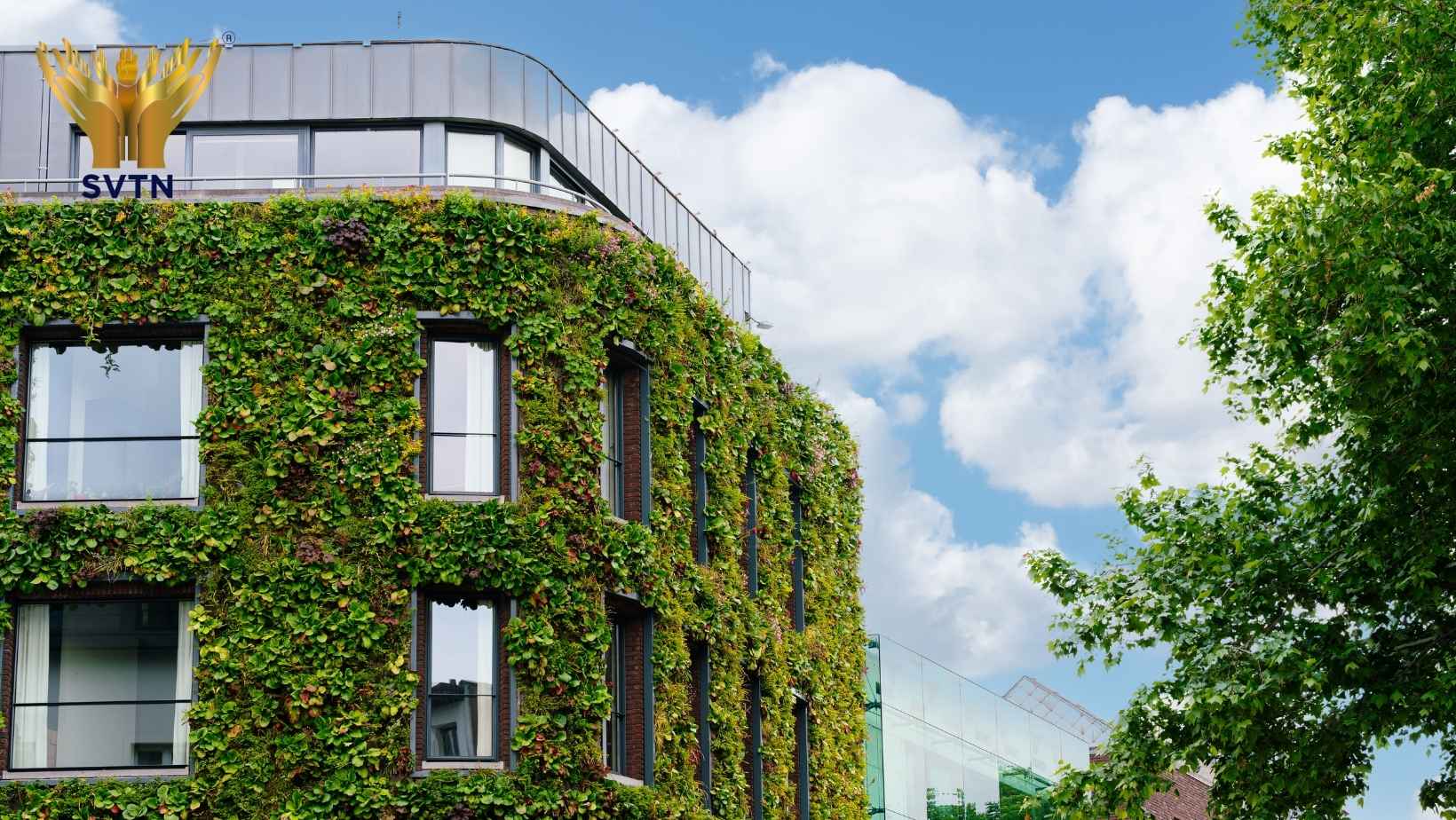
Sustainable construction is the process of designing, building, and maintaining structures that minimize environmental impact while maximizing energy efficiency, water conservation, and long-term operational performance. It includes green building certifications, solar integration, rainwater harvesting, sustainable materials, and digital technologies like Building Information Modeling (BIM).
Why Sustainable Construction Matters in Pune
Pune’s urban development has accelerated over the past decade. However, increasing construction activity has also brought significant environmental challenges, including:
- Higher electricity consumption
- Water scarcity
- Rising temperatures due to urban heat islands
- Construction and demolition waste
- Increased carbon emissions
To address these issues, developers are adopting eco-friendly construction practices that reduce resource consumption while improving building performance. Businesses are also recognizing that sustainable buildings not only benefit the environment but also lower operating costs and enhance property value.
Key Elements of Sustainable Construction
A sustainable building is designed to perform efficiently throughout its lifecycle. It balances environmental responsibility with structural durability and occupant comfort.
Energy-Efficient Design
Energy efficiency begins during the planning stage. Proper building orientation, natural ventilation, daylight optimization, insulated walls, energy-efficient glazing, LED lighting, and smart HVAC systems significantly reduce electricity consumption.
These features create healthier indoor environments while lowering utility costs for commercial and industrial buildings.
IGBC-Certified Green Buildings
Many green building developers in Pune are adopting standards set by the Indian Green Building Council (IGBC). An IGBC-certified building is evaluated on factors such as:
- Energy efficiency
- Water conservation
- Indoor environmental quality
- Sustainable materials
- Waste management
- Occupant well-being
Green certifications enhance project credibility, improve market value, and demonstrate a commitment to responsible construction.
Solar Energy Integration
Solar power has become an essential component of sustainable construction. Rooftop solar panels, solar water heating systems, and net-metering solutions help reduce dependence on conventional electricity.
For commercial and industrial buildings, solar integration can significantly lower long-term energy expenses while reducing carbon emissions.
Rainwater Harvesting
Water conservation is critical for rapidly growing cities like Pune.
Modern sustainable buildings incorporate:
- Rainwater harvesting systems
- Recharge pits
- Greywater recycling
- Water-efficient plumbing fixtures
- Smart irrigation systems
These solutions reduce freshwater consumption and improve water security throughout the year.
Sustainable Building Materials
Material selection directly influences a building’s environmental footprint.
Leading sustainable construction companies in Pune increasingly use:
- Fly ash bricks
- Recycled steel
- Low-VOC paints
- Sustainable concrete mixes
- Recycled aggregates
- Locally sourced materials
These materials reduce embodied carbon, minimize transportation emissions, and create healthier indoor environments without compromising structural strength.
How BIM Supports Sustainable Construction
Building Information Modeling (BIM) has transformed modern construction management.
Instead of relying only on traditional drawings, BIM creates intelligent digital models that improve planning, coordination, and execution.
Benefits of BIM include:
- Better project visualization
- Reduced material wastage
- Improved design accuracy
- Early clash detection
- Faster project delivery
- Optimized resource utilization
For a Construction Management Firm in Pune, BIM enables better collaboration between architects, structural engineers, MEP consultants, and contractors, resulting in more sustainable and efficient projects.
Sustainable Construction Reduces Carbon Footprint
The construction industry contributes significantly to global carbon emissions. Sustainable construction helps lower this impact by focusing on:
- Reduced energy consumption
- Lower construction waste
- Environmentally responsible materials
- Renewable energy adoption
- Efficient transportation planning
- Optimized building operations
Even small improvements during the design and construction phases can generate substantial environmental benefits throughout a building’s lifecycle.
Long-Term ROI of Green Buildings
Although sustainable buildings may require a slightly higher initial investment, they deliver substantial financial returns over time.
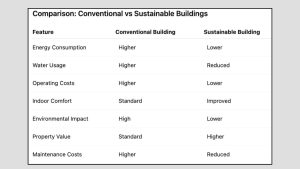
For commercial developers, industrial facilities, and corporate offices, lower operating expenses and improved building performance often outweigh the initial construction cost over the building’s lifecycle.
Choosing the Right Construction Partner
Selecting the right construction company is just as important as choosing the right design.
When evaluating a Commercial Construction Company in Pune, Industrial Construction Company in Pune, or Turnkey Construction Company in Pune, consider the following:
- Experience with sustainable projects
- Expertise in RCC and structural engineering
- Design-and-build capabilities
- Knowledge of green building certifications
- BIM implementation
- Strong project management processes
- Commitment to quality and safety
- Transparent communication and timely delivery
Working with experienced Civil Contractors in Pune ensures that sustainability goals are integrated from planning through execution.
Best Practices for Sustainable Construction
To maximize project performance:
- Plan sustainability from the initial design stage.
- Select durable, environmentally responsible materials.
- Prioritize energy-efficient systems.
- Integrate renewable energy wherever feasible.
- Implement effective water conservation strategies.
- Use BIM for better coordination and reduced waste.
- Monitor construction waste and recycling practices.
- Design buildings with future adaptability in mind.
Common Mistakes to Avoid
Many projects miss sustainability goals due to avoidable errors:
- Considering sustainability only after design completion
- Selecting materials based solely on cost
- Ignoring lifecycle operating expenses
- Poor coordination among consultants
- Underestimating water management requirements
- Overlooking renewable energy opportunities
Addressing these issues early results in better project performance and lower long-term costs.
The Future of Sustainable Construction in Pune
The future of construction is becoming smarter, greener, and more technology-driven.
Emerging trends include:
- Net-zero energy buildings
- Smart building automation
- AI-powered project management
- Prefabrication and modular construction
- Internet of Things (IoT)-enabled building systems
- Advanced Building Information Modeling (BIM)
- Greater adoption of renewable energy solutions
As sustainability regulations and environmental awareness continue to evolve, developers who embrace these innovations will remain better positioned for long-term success.
Conclusion
Sustainable construction is redefining the way Pune builds for the future. By integrating energy-efficient designs, renewable energy systems, responsible material selection, water conservation, and digital technologies like BIM, developers can create buildings that are environmentally responsible, operationally efficient, and financially rewarding.
Whether you’re planning a residential township, commercial complex, industrial facility, or institutional project, partnering with the Best Construction Company in Pune ensures your development is built to meet today’s expectations while remaining resilient for the future.
Green construction is no longer an option—it’s the foundation of smarter urban development.
Build Future-Ready Spaces with Sustainability at the Core
Looking for a trusted partner for your next construction project?
SVTN Group combines engineering expertise, innovative construction practices, and sustainable solutions to deliver high-quality residential, commercial, industrial, and turnkey projects across Pune. From RCC structures and design-build services to construction management and PEB consulting, we help businesses build efficient, durable, and future-ready spaces.
Connect with SVTN Group today and start building sustainably.
Frequently Asked Questions
1. What is sustainable construction?
Sustainable construction focuses on minimizing environmental impact through energy-efficient design, water conservation, sustainable materials, and responsible construction practices.
2. Why is sustainable construction important in Pune?
Rapid urbanization has increased demand for energy, water, and infrastructure. Sustainable construction helps reduce resource consumption while improving long-term building performance.
3. What is an IGBC-certified building?
An IGBC-certified building meets green building standards related to energy efficiency, water conservation, indoor air quality, and sustainable resource management.
4. How does BIM improve sustainable construction?
BIM improves planning, reduces material waste, enhances collaboration, and identifies design conflicts before construction begins.
5. Do sustainable buildings cost more?
Initial costs may be slightly higher, but lower operating expenses, reduced maintenance, and improved efficiency often deliver better long-term returns.
6. What are the benefits of solar integration in buildings?
Solar systems reduce electricity bills, lower carbon emissions, and improve energy independence.
7. Which industries benefit from sustainable construction?
Residential, commercial, industrial, healthcare, educational, logistics, and infrastructure projects all benefit from sustainable construction practices.
8. How can I choose the best construction company in Pune?
Look for experience, technical expertise, sustainable construction capabilities, BIM adoption, quality standards, transparent communication, and successful project delivery.